



 Published February 16, 2025
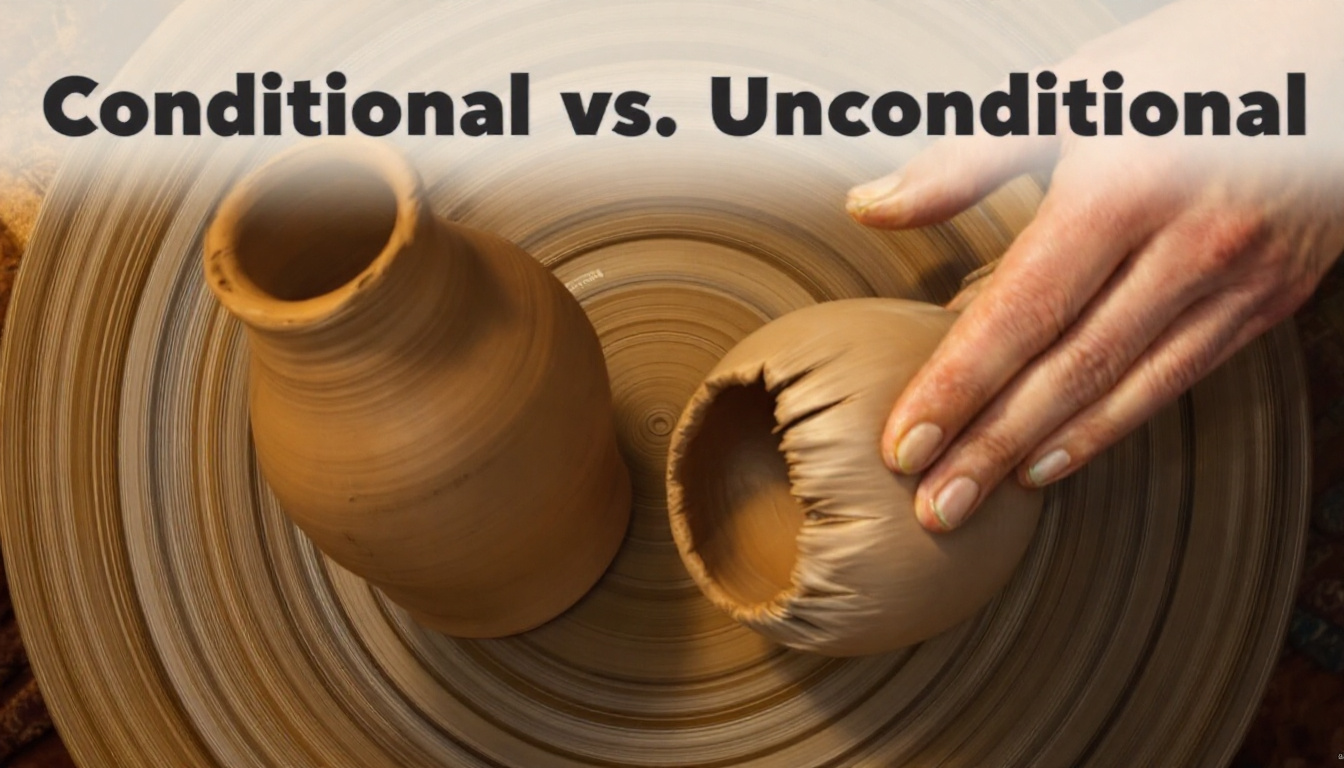
The labels “extreme Calvinism” and “moderate Calvinism” can be useful only if they clarify real theological differences. They become misleading when they imply that the main dispute is between harsh and gentle personalities rather than between distinct claims about election, atonement, grace, perseverance, and human response.
A Better Way to Frame the Difference
Beyond Tulip now frames the debate by asking exegetical questions passage by passage. Does Romans 9 teach unconditional individual election to salvation, or does it address Israel, covenant purpose, mercy, hardening, and faith? Does Ephesians 1 teach that God chose individuals to believe, or that believers are chosen in Christ? Does Scripture teach that faith is a meritorious work, or a non-meritorious condition for receiving grace?
Why the Old Framing Needed Revision
An older version of this article treated “moderate Calvinism” as though it solved the central problems simply by softening the system. That is not precise enough. Some Calvinists affirm unlimited atonement while remaining strongly monergistic on election and regeneration. Some non-Calvinists affirm robust providence while rejecting unconditional individual election. The better question is not whether a view sounds extreme, but whether each claim is biblical.
Where Readers Should Go Next
- Unconditional Election hub
- Are Faith and Good Works the Fruits of Election?
- Limited Atonement hub
- Total Depravity hub
Works Cited
- Norman L. Geisler, Chosen But Free. Bethany House, 2010.
- David L. Allen and Steve W. Lemke, eds., Calvinism: A Biblical and Theological Critique. B&H Academic, 2022.
- Leighton Flowers, The Potter's Promise. Trinity Academic, 2017.